
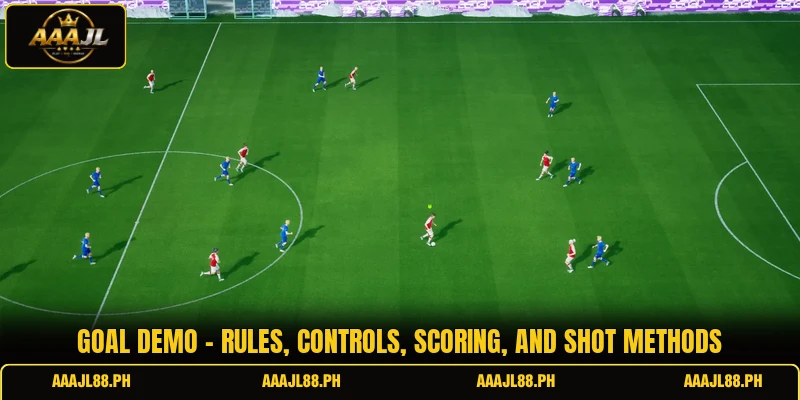
Goal demo introduces members to a football-based shooting game where aim, power, timing, and target selection determine each recorded result. This guide is written for members who need a clear view of controls, rules, shot choices, and scoring conditions before entering regular sessions at AAAJL.
What members should understand about Goal demo
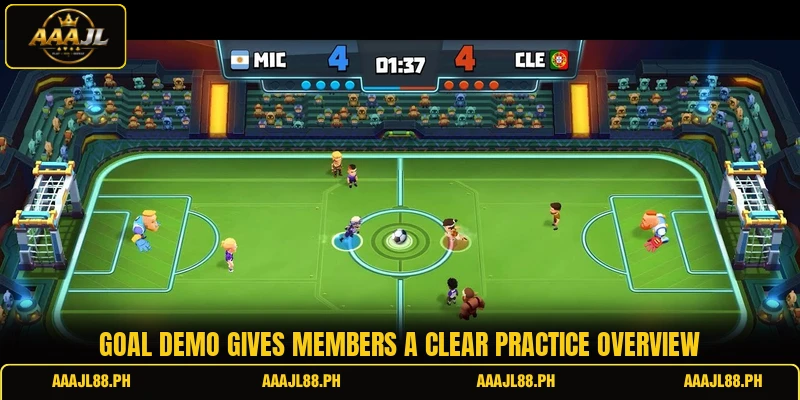
The game uses a compact football setup where players direct shots toward marked goal areas under a defined number of timed attempts during each round. Each round presents visible controls for direction and force, while the screen records successful hits, misses, and total points for the current session. AAAJL places the demo beside related match options, allowing members to review its layout without relying on unclear menu labels.
The main appeal comes from the direct link between input and outcome, because every shot follows a chosen angle and strength level. Unlike random button pressing, Goal demo rewards careful reading of target position, goalkeeper movement, and the remaining time shown on screen. Members should treat each attempt as a separate decision, since earlier results do not guarantee the direction or value of the next target.
How scoring rules govern each football shooting round
Scoring depends on where the ball lands, whether the attempt stays valid, and how the selected room values each target. Players should read the displayed table before starting a paid or standard round, because different zones may carry separate point totals or payout rates.
Starting each round correctly
A round begins after the stake, room, or demo setting has been selected and the control panel becomes fully active on the screen. Within Goal demo, the player then receives a limited period to choose direction, adjust shot strength, and confirm the attempt. Pressing the action button too early may lock an unfinished setting, so the interface should be checked before release.
Some versions show a moving goalkeeper, while others use fixed target panels placed across the goal frame. A valid attempt must remain inside the permitted area and follow the timing conditions shown near the shot meter. When the ball misses every scoring zone, the round normally ends without points, even if the animation looks close.
Reading target sectors and values
Target zones usually display numbers, symbols, or highlighted sections that indicate their relative scoring value. Smaller areas may offer higher returns, but they also require a more accurate direction and power setting. Wider sections are easier to reach, although their recorded reward can be lower than narrow corner targets.
Before shooting, members should compare the target location with the goalkeeper position and the ball path indicator. Goal demo becomes easier to read when players watch how previous angles travel across the same screen layout. That observation does not predict results, yet it helps identify how the control responds to small changes.
Completing valid legitimate attempts
An attempt counts only after the ball is released and the game confirms a final landing point. Canceled inputs, connection interruptions, or expired timers may produce a different status depending on the rules displayed for that room. Players should wait for the result panel before pressing another control, because repeated commands can hide useful information.
View more: Tower Rush Strategy – Clear Decisions For Every Tower Round
The result screen normally shows points, round value, and whether the selected zone was reached successfully. Goal demo records these details immediately, giving members a simple way to compare several completed attempts. Any amount shown in PHP or USD should be read with the room table, since scoring values can differ between settings.
Better methods for precise football shot decisions
Useful shot decisions come from reading the controls before acting, not from repeating the same input across every attempt. Each target requires a separate combination of angle, force, and timing, especially when the goalkeeper changes position.
Using Goal demo match controls
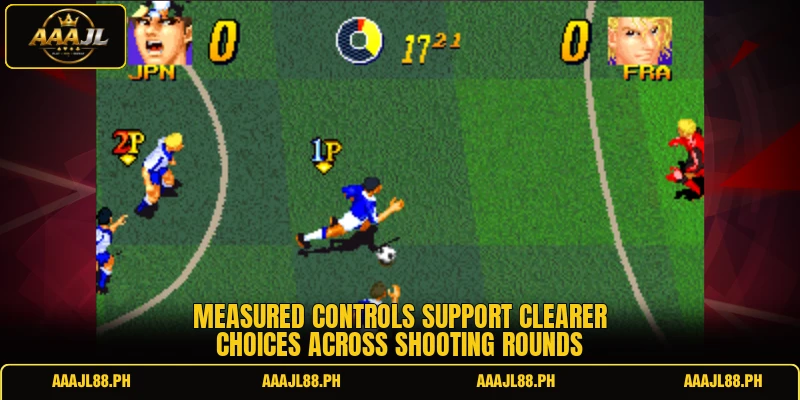
The direction control should be moved in small steps, because large changes can send the ball beyond the intended target area. Players can test one angle at a time and compare the path line with the selected scoring zone. Goal demo responds more clearly when adjustments remain measured instead of switching rapidly between opposite directions.
Power should match the distance and height of the target rather than stay fixed for every shot. A low setting may fall short, while excessive force can raise the ball above the active goal section. Members can use the demo record to note which control range produces a stable path for the current screen and target style.
Choosing angles prior to taking shots
Corner targets often need a wider direction, while central panels usually require less movement from the starting line. Players should also consider goalkeeper placement, since an open corner can close before the shot meter reaches confirmation. Aiming slightly away from the keeper may create a cleaner path without requiring maximum power.
Goal demo allows members to compare straight, diagonal, and lifted attempts within the same basic layout. The strongest choice is usually the one that matches the visible opening and the selected point zone. Changing angle after the power meter starts may reduce control, so the direction should be chosen first.
Adjusting force for each target
Power changes the speed and height of the shot, making it as important as direction during every attempt. Short central targets generally need moderate force, while upper corners may require a stronger and more precise release. Players should avoid holding the control longer than needed, because the meter can move beyond the intended level.
When Goal demo uses a moving indicator, members can release near the chosen mark instead of waiting for the limit. Repeating one measured strength across two similar targets can show whether angle or force caused the difference. This method creates useful comparisons without assuming that any single setting guarantees a scoring result.
View more Category: Arcade
Conclusion
Goal demo gives players a direct football shooting format built around target reading, valid attempts, and controlled use of direction, timing, and force. The clear layout at AAAJL makes the rules easier to follow while keeping attention on scoring zones and completed results. Members can register, download the app, and test the game controls before entering a regular room, with good luck on every attempt.